What to Do When Your Check Engine Light Comes On (Practical Steps & Fixes)
Introduction — Don’t Panic, Diagnose
Seeing the check engine light (CEL) illuminate can be stressful, but the light itself is just a warning — not a verdict. At Kane's Garage Auto Repair in Moorpark, CA, we help local drivers get to the root cause quickly and affordably. This guide walks you through immediate steps you can take, common fault causes, and when it’s time to bring your vehicle to a pro for accurate diagnostics.
First things first: what the check engine light really means
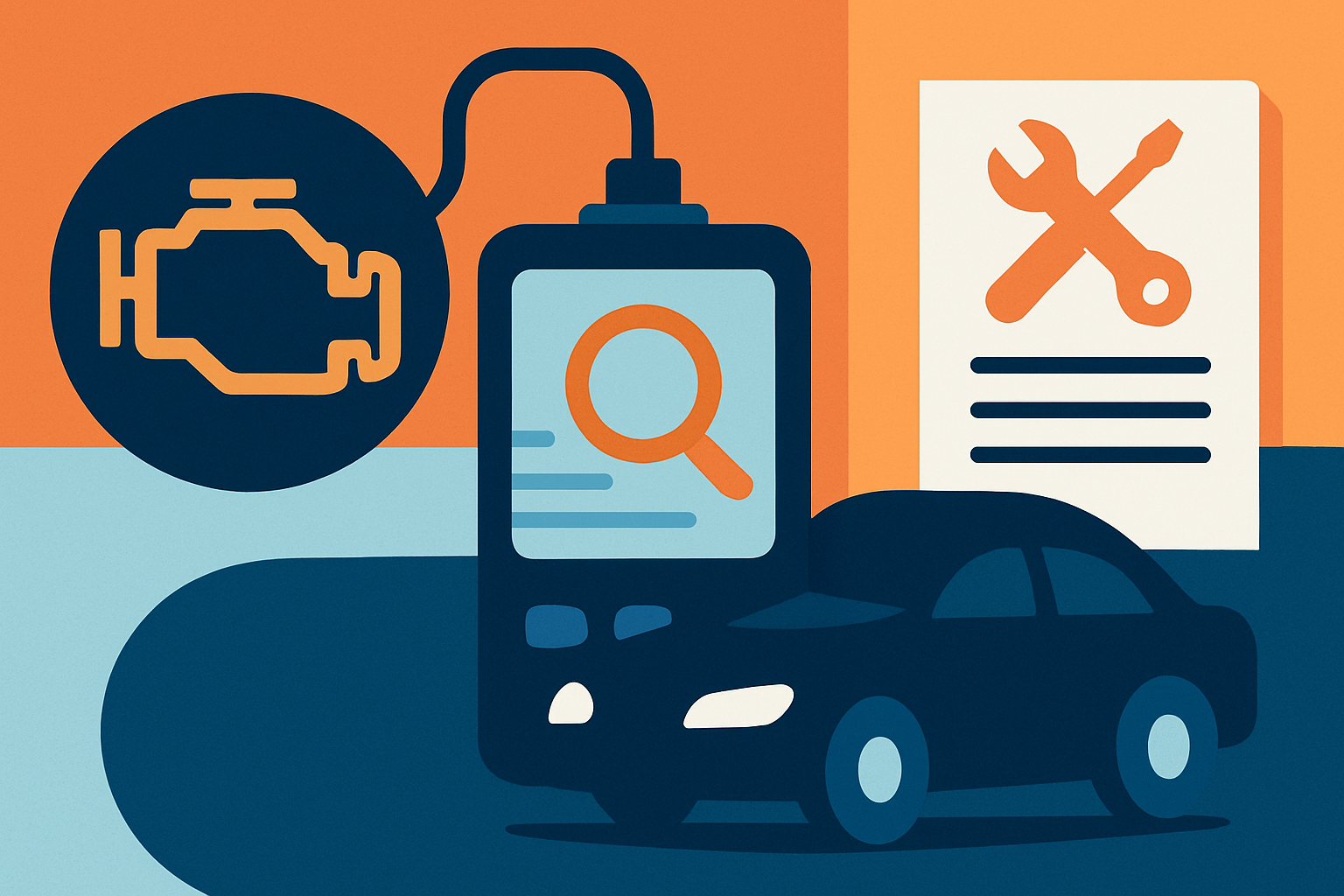
The CEL is part of your car’s onboard diagnostics (OBD-II) system. It monitors emissions, engine performance, and key drivetrain components. When the computer detects something outside expected parameters, it stores a trouble code and illuminates the light. That code is the starting point for accurate diagnostics — not a replacement for it.
Immediate actions to take when the light appears
- Check for obvious issues: Secure the gas cap (a loose or failed cap is a very common trigger), look under the hood for disconnected hoses, fluid leaks, or smoke.
- Note how the car behaves: Is the light steady or flashing? A flashing CEL often signals a serious misfire that can damage the catalytic converter and requires immediate attention.
- Reduce load and drive conservatively: If the vehicle runs rough or the light flashes, avoid towing or high-speed driving and head straight to a repair shop.
- Don’t rely on random code readers: Bluetooth dongles and cheap scanners can give a code, but they often lack live-data capability and manufacturer-specific information needed for accurate repairs.
Common trouble codes and practical fixes
Below are some frequent codes we see at Kane's Garage, what they usually mean, and sensible troubleshooting steps you can try or ask your technician about.
- P0300 (Random/Multiple Cylinder Misfire): Causes include worn spark plugs, failing ignition coils, fuel delivery issues, or vacuum leaks. Start with spark plugs and ignition coils — these are common on older vehicles — and inspect fuel pressure if misfires persist.
- P0171/P0174 (System Too Lean): Often caused by vacuum leaks, dirty/clogged fuel injectors, or a failing mass air flow (MAF) sensor. Check for cracked vacuum hoses, clean the MAF sensor carefully, and consider a fuel system cleaning if injectors are suspect.
- P0420 (Catalyst System Efficiency Below Threshold): Can indicate a failing catalytic converter or upstream issues such as misfires or rich/lean running that damage the cat. We do live-data checks and smoke testing to find the root cause before recommending an expensive converter replacement.
- O2 Sensor Codes (e.g., P0130–P0167): Oxygen sensors wear out over time and affect fuel economy and emissions. Replacing worn O2 sensors is a common, cost-effective repair when they’re the confirmed culprit.
Why professional scanning and live-data matter
At Kane's Garage we use industry-grade diagnostic tools that read manufacturer-specific codes and pull live engine data. That matters because many codes are symptoms, not causes. For example, a misfire code without live fuel trim and O2 data can lead a technician to replace parts that weren’t the problem.
What our diagnostic process typically includes
- Full OBD-II scan with manufacturer-specific code lookup.
- Live-data monitoring (fuel trims, O2 readings, misfire counters, MAF/MAF voltage).
- Smoke tests for vacuum and EVAP leaks.
- Compression or leakdown tests if we suspect internal engine issues.
- Road test with data logging when necessary.
This method helps us avoid unnecessary parts swaps and ensures we fix the real problem the first time — which is one of our shop’s core promises to customers.
Simple maintenance steps owners can do now
Regular maintenance can prevent many CEL triggers. Here are practical items to keep on top of:
- Replace spark plugs and wires/ignition coils at the manufacturer-recommended interval.
- Keep the air filter and fuel filter clean to prevent lean conditions.
- Use quality fuel and consider fuel-system cleaning for high-mileage engines.
- Replace O2 sensors and MAF sensors when their performance declines.
- Ensure the gas cap seals correctly after fueling.
When to bring the car to Kane's Garage
Call or visit us when:
- The CEL is flashing or the car is running poorly — these are urgent.
- You get repeated codes after replacing parts yourself.
- You want a trustworthy second opinion before spending money on repairs.
- You're buying a used vehicle and want a pre-purchase inspection to check for stored codes and hidden issues.
We work on both gas and diesel vehicles, use quality parts, and give honest, fairly priced recommendations. Our address is 613 Fitch Ave Unit 6, Moorpark, CA 93021 — stop by or call us at 805-554-6343 to schedule a scan. You can also learn more about our services at Kane's Garage or read customer reviews on Yelp.
Preparing your car for diagnostics
To speed up accurate troubleshooting, bring any recent service records and tell us about recent fuel stops, running behavior, or repairs you tried. If the CEL just began after a repair, that context often points directly to the cause.
Conclusion — Smart diagnostics save time and money
A check engine light is a prompt to diagnose — not to panic. With targeted scanning, live-data analysis, and a methodical troubleshooting approach, many CEL problems are straightforward and economical to fix. At Kane's Garage Auto Repair, we focus on repairing vehicles correctly the first time and avoiding unnecessary services. If your CEL is on or you're unsure about a code, call us at 805-554-6343 or email kanesgarageshop@gmail.com to book a diagnostic. We’ll help you understand the issue and choose the right repair plan for your vehicle and budget.