What to Do When the Check Engine Light Comes On: A Moorpark Guide
Introduction
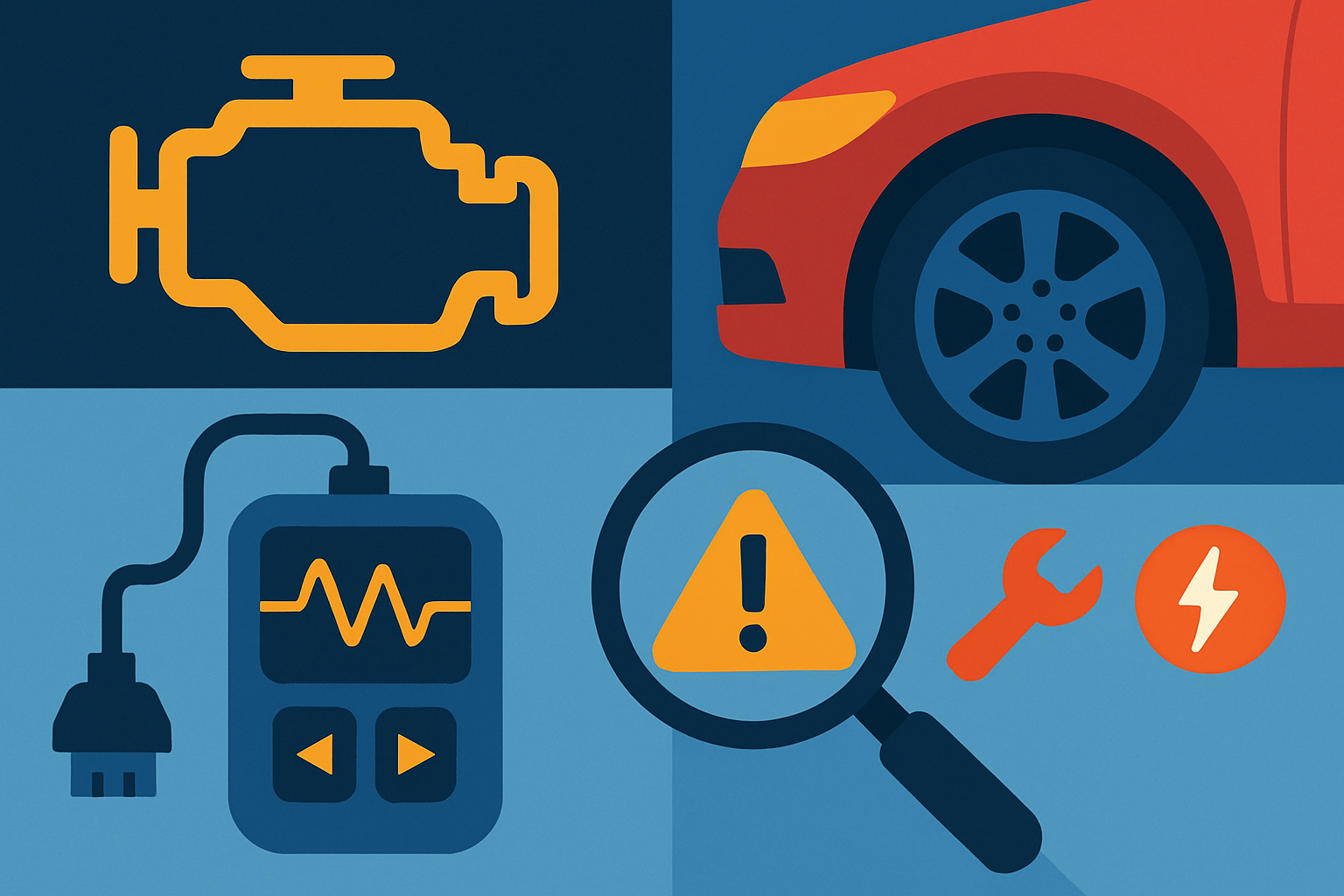
Seeing the check engine light illuminate on your dashboard is stressful, but it doesn’t always mean a catastrophic failure. At Kane's Garage Auto Repair in Moorpark, CA, we help local drivers understand what that light means, how to do simple checks at home, and when to bring the car in for professional diagnostics. This guide gives practical steps you can take right away and explains common fault codes and fixes so you can make informed decisions.
First steps when the check engine light comes on
Not all check engine lights are equal. Your first actions depend on how the car is behaving:
- If the light is steady and the car drives normally: You can follow the quick DIY checks below and schedule a scan.
- If the light is flashing or the car is running poorly (stuttering, loss of power, or heavy vibration): Pull over safely, turn the engine off, and call for help — a flashing light often means a misfire that can damage the catalytic converter.
- If you smell fuel or see smoke: Stop immediately and call for roadside assistance.
Quick DIY checks you can do right now
- Check the gas cap: A loose or damaged gas cap is the simplest cause and can trigger an EVAP system code. Tighten it until it clicks.
- Note symptoms: Record when the light came on, driving conditions (city/highway), and any noises, odors, or performance changes—this helps technicians diagnose faster.
- Don’t erase the code: Clearing the light without fixing the cause removes helpful data. If the light returns, it’s harder to track the original fault.
Understanding OBD-II scanning and fault codes
Modern vehicles use OBD-II (On-Board Diagnostics) to report issues with P codes (powertrain), B (body), C (chassis), and U (network). At Kane’s Garage we use professional scan tools to read both generic and manufacturer-specific codes and to view live data.
Key things to know:
- P0xxx codes are standard and found across many makes. P1xxx/P2xxx are often manufacturer-specific.
- Pending vs. confirmed codes: Pending codes indicate an issue that has shown up once; confirmed codes mean the fault repeated and is stored in the computer.
- Live data matters: A code alone doesn’t always identify the failed part—live sensor readings (fuel trims, O2 sensors, MAF voltage, misfire counts) tell the full story.
Common codes and likely fixes
Here are frequent codes we see and the practical fixes usually required:
- P0455 / EVAP Leak (large) — Often a loose gas cap; if not, the EVAP hose or purge valve may need replacement. A smoke test locates leaks reliably.
- P0420 / Catalyst Efficiency Low — Usually a failing catalytic converter or upstream oxygen sensor diagnosing a rich/lean condition. Address root cause to avoid repeat failures.
- P0300–P0304 / Misfires — Could be bad spark plugs, ignition coils, clogged fuel injectors, or vacuum leaks. We perform compression and injector tests to pinpoint the cause.
- P0100–P0104 / MAF sensor — Dirty or failed mass air flow sensors can cause driveability issues; cleaning or replacing the sensor is typical.
- P0171 / P0174 (Fuel Trim Lean) — Often vacuum leaks, weak fuel pump, or faulty O2 sensors; inspection of intake and fuel pressure testing helps identify the issue.
When to bring your car to Kane's Garage
If the light is steady and your car has no major symptoms you can wait a day to schedule a scan. But bring it in right away if:
- The light is flashing
- You notice a sudden loss of power or strange noises
- You detect fuel smells, smoke, or overheating
We prioritize accurate diagnostics—our goal is to repair it correctly the first time and avoid unnecessary parts or services.
How we diagnose at Kane’s Garage
Our diagnostic process combines scan tools with hands-on testing:
- Full OBD-II scan for stored and pending codes
- Live data logging to see how sensors behave while driving or under load
- Smoke testing for EVAP leaks and pressure testing fuel systems
- Compression and leak-down tests for engine health
- Road tests with data logging to reproduce intermittent faults
We explain findings clearly and present repair options with honest recommendations and high-quality parts. If a simple fix like a gas cap or sensor resolves the issue, we'll tell you. If more work is required, we'll show the diagnostic evidence and the safest repair path.
Preparing for your visit
Bring these items to make the appointment smoother:
- Notes about when the light came on and any driving conditions
- Recent service history or receipts (if available)
- Your vehicle’s make, model, year, and VIN if you have it
Conclusion
The check engine light is a helpful warning—not a sentence. Quick checks like tightening the gas cap can solve some problems, but modern vehicles often need professional scan tools and live-data diagnosis. At Kane’s Garage Auto Repair in Moorpark, we focus on accurate diagnostics, fair pricing, and fixing your vehicle correctly the first time. Call us at 805-554-6343 or email kanesgarageshop@gmail.com to schedule a diagnostic scan. Learn more about our services on our website or read customer reviews on Yelp.